

IKEA furniture is known for its affordability, simplicity, and modular design, making it a staple in homes around the world. What makes it especially appealing is its potential for transformation. With a few creative adjustments, basic pieces can be elevated into furniture that feels custom, high-end, and uniquely personal. By rethinking finishes, function, and form, mass-produced items can be adapted to suit individual spaces, styles, and needs without the cost of bespoke design.
Upgrade Hardware for an Instant Transformation
One of the simplest and most effective IKEA hacks is swapping out standard hardware. Replacing basic knobs and pulls with brass, leather, ceramic, or matte black hardware instantly changes the look of dressers, cabinets, and sideboards. This small update can shift a piece from minimalist to modern, classic, or even vintage-inspired.
Hardware upgrades work especially well on popular pieces like the MALM dresser or BESTÅ cabinets. Choosing oversized or uniquely shaped handles can turn a simple storage unit into a focal point.
Add Custom Legs for a Built-In Look
Many IKEA pieces sit low to the ground, which can make them feel temporary or utilitarian. Adding custom legs elevates both the height and appearance of furniture. Wooden, metal, or tapered legs can give cabinets and dressers a mid-century, modern, or bespoke feel.
This hack is particularly effective for media units, sideboards, and bed frames. Raising furniture off the floor also creates visual space, making rooms feel lighter and more refined.
Paint and Finish for a Personalized Style
Painting IKEA furniture allows for full creative control. While white and neutral finishes are versatile, bold colors or muted tones can better reflect personal style. Matte finishes feel modern, while satin or semi-gloss finishes add durability for high-use pieces.
Beyond paint, finishes such as wood veneer, contact paper, or even limewash can dramatically alter appearance. Applying real wood veneer to flat surfaces creates a custom, high-end look that mimics solid wood furniture at a fraction of the cost.
Combine Pieces to Create Something New
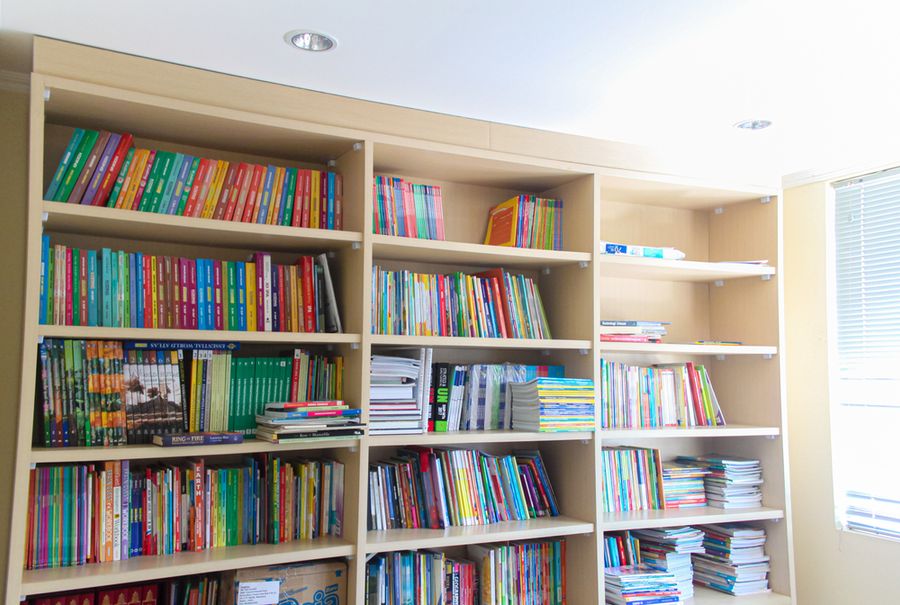
One of IKEA’s greatest strengths is its modularity. Combining multiple units can result in furniture that feels fully custom. Stacking cabinets to create a wall unit, lining up bookcases for a library effect, or combining dressers into a long credenza are common approaches.
When combining pieces, anchoring them together securely and finishing them as a single unit—through paint, trim, or a shared top surface—creates cohesion. This approach works well for home offices, entertainment centers, and storage walls.
Add Trim and Molding for Architectural Detail
Trim and molding are powerful tools for elevating simple furniture. Adding baseboards, paneling, or decorative trim can make flat-front cabinets look like built-in furniture. This hack is especially popular for wardrobes, bookcases, and media units.
Even minimal trim adds depth and character. Painted in the same color as the furniture, trim enhances texture without overwhelming the design. This technique works particularly well in traditional or transitional interiors.
Repurpose Furniture Beyond Its Intended Use
Some of the most creative IKEA hacks come from using furniture in unexpected ways. A bookshelf can become a kitchen pantry, a bench can function as entryway storage, or a cabinet can be repurposed as a bathroom vanity.
Looking beyond the intended room or function opens up design possibilities. The key is focusing on dimensions and structure rather than labels. With the right adjustments, many pieces adapt easily to new purposes.
Create Custom Tops for a Finished Look
Replacing or adding custom tops to IKEA furniture can dramatically change its appearance. Solid wood, stone, concrete, or even tile tops add weight and sophistication to dressers, cabinets, and sideboards.
Custom tops are especially effective in kitchens, offices, and bathrooms, where surfaces are highly visible. A well-chosen top material can make a standard unit feel like a permanent fixture rather than flat-pack furniture.
Use Wallpaper or Panels for Visual Interest
Wallpaper is not just for walls. Applying wallpaper or decorative panels to drawer fronts, cabinet doors, or the backs of shelving units adds pattern and personality. This hack works well for accent pieces or areas where subtle detail is desired.
Peel-and-stick wallpaper is particularly practical, offering flexibility without permanent commitment. When paired with simple furniture shapes, patterned surfaces feel intentional rather than overwhelming.
Focus on Proportion and Placement
Even the best IKEA hack benefits from thoughtful placement. Centering furniture properly, allowing space around pieces, and pairing them with complementary décor helps custom furniture feel intentional. Styling matters just as much as modification.
Lighting, wall color, and surrounding elements all contribute to the final effect. When hacked furniture is treated with the same care as high-end pieces, it blends seamlessly into the overall design.
With creativity and attention to detail, IKEA furniture becomes a foundation rather than a limitation. By customizing finishes, rethinking function, and refining details, simple pieces can be transformed into furniture that feels personal, distinctive, and designed specifically for the space they inhabit.