

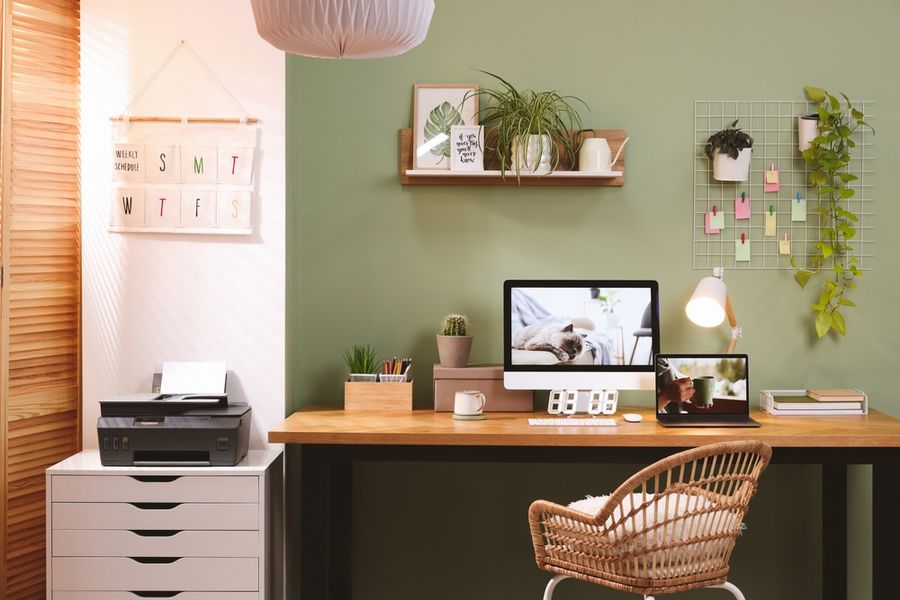
Working from home has shifted from a temporary solution to a long-term reality for many people. A thoughtfully designed home office can improve focus, reduce fatigue, and support healthier work habits. More than a desk and a chair, it is a space that balances function, comfort, and boundaries. When set up intentionally, a home office helps separate work from personal life and makes daily tasks feel more manageable and professional over time and changing demands.
Choose the Right Location
The foundation of a successful home office is location. Ideally, the space should allow for concentration and minimal interruptions. A spare room is ideal, but a quiet corner, alcove, or even a converted closet can work when designed well. The key is consistency. Working in the same spot each day trains the brain to associate that area with focus and productivity.
Natural light is a significant advantage. Positioning the workspace near a window can improve mood and reduce eye strain. If natural light is limited, thoughtful artificial lighting becomes essential.
Invest in Ergonomics First
Comfort is not a luxury in a home office; it is a requirement. Poor ergonomics can lead to back pain, neck strain, and long-term discomfort. A supportive chair that allows feet to rest flat on the floor and keeps the spine aligned should be a top priority.
Desk height matters just as much. Arms should rest comfortably at a neutral angle while typing, with screens positioned at eye level to avoid neck strain. Laptop users benefit from an external keyboard and monitor or laptop stand to achieve proper alignment.
Design for Workflow, Not Just Aesthetics
A visually appealing office is motivating, but functionality must come first. The layout should support daily tasks efficiently. Frequently used items should be within arm’s reach, while less-used supplies can be stored away.
Cable management is often overlooked but makes a significant difference. Organizing cords with clips, sleeves, or cable boxes reduces visual clutter and keeps the workspace tidy. A clean setup helps maintain focus and reduces daily friction.
Prioritize Lighting
Good lighting supports productivity and reduces fatigue. A combination of ambient lighting and task lighting works best. Overhead lighting provides general illumination, while a desk lamp offers focused light for reading or computer work.
Warm lighting can feel relaxing, but overly warm tones may cause drowsiness during work hours. Neutral or cool-toned bulbs are generally better suited for focused tasks. Adjustable lighting allows the space to adapt throughout the day.
Create Smart Storage Solutions
Clutter is one of the fastest ways to undermine a home office. Smart storage keeps the space functional and visually calm. Shelving, drawers, and filing systems should be chosen based on actual needs rather than assumptions.
Closed storage helps maintain a clean appearance, especially in small spaces. Open shelving can work well for frequently used items or curated objects but should be used sparingly. Regularly reviewing and editing office supplies prevents unnecessary buildup.
Establish Visual and Mental Boundaries
One of the challenges of working from home is the lack of separation between professional and personal life. Physical cues help reinforce boundaries. A door that closes, a room divider, or even a specific lighting setup can signal when work begins and ends.
Personal touches are important, but moderation is key. Artwork, plants, or meaningful objects can make the space inviting without becoming distracting. The goal is a space that feels supportive of work rather than competing for attention.
Support Focus With Thoughtful Details
Small details can significantly influence productivity. Noise levels, temperature, and air quality all affect concentration. Noise-canceling headphones, soft background sound, or rugs and curtains to absorb noise can be valuable additions.
Plants improve air quality and add a calming presence. Even one or two well-placed plants can soften the space and make it more pleasant to spend long hours in.
Plan for Flexibility and Growth
A perfect home office is not static. Needs change over time, and the space should be able to adapt. Modular furniture, adjustable lighting, and flexible storage allow the office to evolve without requiring a complete redesign. If you're not sure where to start, look for inspiration!
Regularly reassessing what works and what does not keeps the space aligned with current demands. Minor adjustments often lead to noticeable improvements in comfort and efficiency.
A well-designed home office supports productivity, protects well-being, and creates a sense of professionalism at home. When function, comfort, and intention come together, working from home becomes not just manageable, but genuinely effective.