

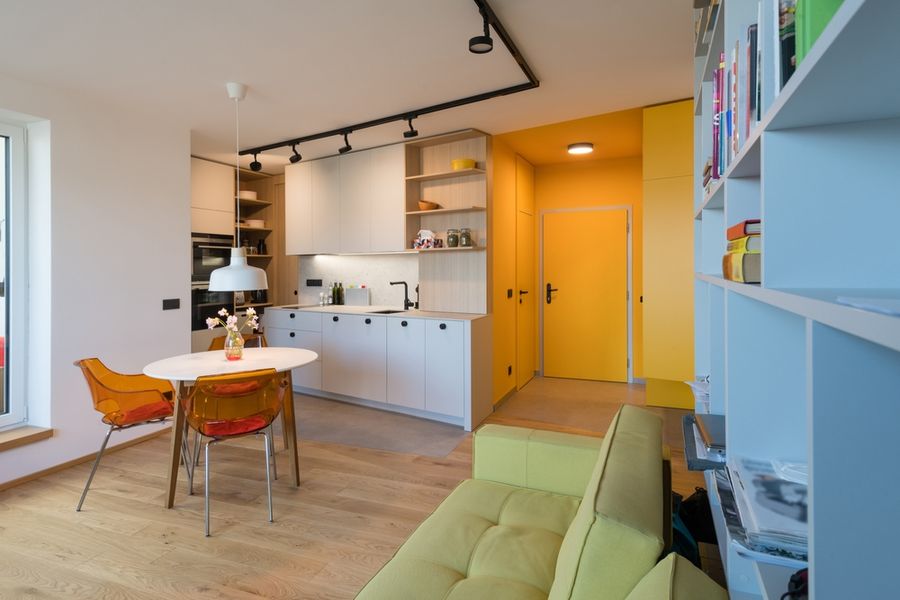
Living in a smaller space is no longer just a temporary phase or a compromise—it has become a deliberate choice for many. Rising housing costs, urban living, and a growing desire for simplicity have pushed people to rethink how much space they actually need. Comfort, it turns out, has less to do with square footage and more to do with intention. With thoughtful design, smart habits, and a shift in mindset, even the smallest home can feel calm, functional, and deeply livable.
Redefine What “Comfort” Means
Comfort in a large home often relies on abundance: extra rooms, surplus storage, and space to spread out. In a smaller home, comfort is about flow, ease, and usability. Every item, piece of furniture, and layout choice should support daily life rather than obstruct it. When spaces are designed around how they are actually used—sleeping, working, relaxing, entertaining—they begin to feel supportive rather than restrictive.
This shift requires honesty. If a dining table is never used, it may be better replaced by a wall-mounted desk or fold-down surface. If a room serves multiple purposes, embracing that flexibility rather than fighting it creates a sense of control and comfort.
Choose Furniture That Works Harder
In small-space living, furniture must earn its place. Multi-functional pieces are essential: beds with built-in storage, ottomans that open for blankets, extendable tables, or sofas that convert into guest beds. These items reduce clutter while increasing functionality.
Scale also matters. Oversized furniture can overwhelm a room, even if it looks appealing in a showroom. Choosing pieces with clean lines, visible legs, and lighter visual weight helps maintain openness. Modular furniture adds another layer of flexibility, allowing layouts to change as needs evolve.
Make Storage Intentional, Not Excessive
Storage is often seen as the solution to small spaces, but too much storage can encourage keeping unnecessary items. The goal is not to hide clutter, but to reduce it. Thoughtful storage should make everyday items easy to access while keeping visual noise to a minimum.
Vertical storage is particularly valuable. Shelving that extends upward, wall-mounted cabinets, and hooks make use of space that would otherwise go unused. Closed storage helps maintain a sense of calm, while open storage works best when limited to curated, frequently used items.
Regular editing is key. A smaller home benefits from routines that involve reassessing belongings and letting go of what no longer serves a purpose.
Use Light and Color Strategically
Light has a powerful effect on how spacious a home feels. Maximizing natural light by keeping windows unobstructed and using sheer curtains can dramatically improve comfort. When natural light is limited, layered lighting—ambient, task, and accent—prevents rooms from feeling flat or cramped.
Color choices also influence perception. Lighter tones tend to reflect light and open up a space, but this does not mean everything must be white. Soft neutrals, muted colors, and even darker tones used consistently can create depth and cohesion. The key is continuity: using a limited palette helps rooms flow together rather than feel chopped up.
Create Zones, Even Without Walls
Small spaces benefit from clearly defined zones. A studio apartment, for example, can still have a sleeping area, work area, and living area through the use of rugs, lighting, furniture placement, or shelving units. These visual cues help the brain distinguish between activities, which increases comfort and reduces mental clutter.
Zoning also supports better habits. A designated workspace encourages focus, while a defined relaxation area supports rest—even if the physical separation is minimal.
Simplify Daily Systems
Living comfortably in less square footage depends heavily on systems. When daily tasks are inefficient, small spaces feel chaotic very quickly. Simple routines—such as resetting surfaces each evening, keeping only essential kitchen tools, or assigning a specific place to frequently used items—reduce friction.
Convenience matters. If something is difficult to access or put away, it will likely end up creating clutter. Small changes, such as relocating storage or reducing duplicates, can have an outsized impact on comfort.
Embrace the Mental Shift
Perhaps the most important element of small-space living is mindset. A smaller home naturally limits accumulation and encourages intentional choices. Rather than focusing on what is missing, comfort comes from appreciating what is present: less maintenance, lower costs, and spaces that feel manageable rather than overwhelming.
Living with less square footage often leads to more time spent outside the home, stronger routines, and a deeper connection to daily life. When the space supports these values, it stops feeling small and starts feeling sufficient.
Comfort is not measured in square feet. It is created through clarity, intention, and a home that works in harmony with the life lived inside it.