

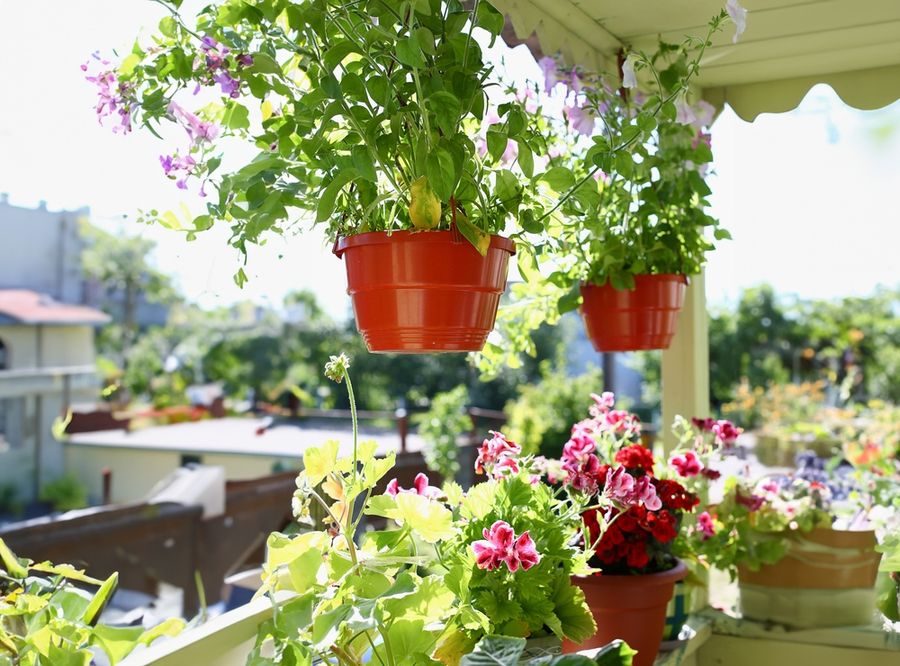
Urban living often means trading sprawling lawns for balconies, courtyards, rooftops, or narrow patios. Yet limited space does not mean limited beauty. A well-designed small garden can be just as calming, expressive, and functional as a larger one—sometimes more so. When every element is chosen with care, even the most compact outdoor area can become a personal retreat, a creative outlet, and a meaningful connection to nature amid the density of city life.
Start With Purpose, Not Plants
The most common mistake in small garden design is starting with plant choices before defining the space’s purpose. A successful garden begins with clarity. Is the space meant for relaxation, entertaining, growing food, visual appeal, or a combination of these? A balcony designed for morning coffee will look very different from one intended to grow herbs and vegetables.
Once the primary function is clear, design decisions become easier. Seating, circulation, and plant selection should all support how the space will actually be used. Purpose-driven design prevents overcrowding and ensures the garden feels intentional rather than improvised.
Think Vertically to Expand Possibilities
In small or urban gardens, vertical space is as valuable as floor space. Walls, railings, fences, and trellises provide opportunities to add greenery without sacrificing room to move. Climbing plants, wall-mounted planters, hanging baskets, and vertical garden systems can dramatically increase planting capacity.
Vertical design also adds visual depth, drawing the eye upward and making the space feel larger. Layering plants at different heights—ground level, mid-level containers, and vertical elements—creates a sense of abundance without clutter.
Choose the Right Containers and Materials
Containers play a central role in small-space gardening. Selecting pots that are appropriately scaled is essential; oversized containers can overwhelm, while too many small pots can feel chaotic. Consistency in materials and color helps create cohesion. For example, using a limited palette of terracotta, concrete, or matte ceramic planters can visually unify the space.
Self-watering containers and lightweight materials are particularly useful in urban settings, where access to water and weight limits may be concerns. Drainage is critical, especially on balconies or rooftops, to protect both plants and structures.
Be Selective With Plants
Plant choice should balance aesthetics, maintenance, and environmental conditions. In cities, light exposure, wind, heat retention, and pollution all influence what will thrive. Choosing plants suited to the specific microclimate reduces frustration and ensures long-term success.
In small gardens, restraint is key. Fewer plant varieties, repeated intentionally, create a cleaner and more sophisticated look. Evergreen plants provide structure year-round, while seasonal flowers or grasses add interest without requiring constant replanting. Edible plants, such as herbs or compact vegetables, can also serve both functional and decorative roles.
Create Zones With Subtle Boundaries
Even compact outdoor spaces benefit from zoning. A seating area, planting area, and circulation path can be suggested through changes in flooring, planter placement, or furniture arrangement. A small outdoor rug, for example, can visually anchor a seating zone, while planters can act as soft dividers.
Clear zones help the space feel organized and purposeful. They also make it easier to scale the design appropriately, ensuring no single element dominates the entire garden.
Use Color and Texture Intentionally
Color has a powerful impact in small gardens. A restrained color palette—whether neutral, lush green, or punctuated by a single accent color—creates harmony. Too many competing colors can make a small space feel busy and confined.
Texture, however, adds richness without overcrowding. Combining smooth leaves with fine grasses, matte pots with natural wood, or soft foliage with hard surfaces creates contrast and depth. These tactile variations make the garden engaging even when space is limited.
Prioritize Comfort and Usability
A beautiful garden should also be comfortable. In small spaces, furniture should be compact, foldable, or multifunctional. A bench with storage, stackable chairs, or a narrow café table can provide seating without dominating the area.
Lighting is another often-overlooked element. Soft, warm lighting extends the usability of the garden into the evening and adds atmosphere. Solar lights, string lights, or discreet wall-mounted fixtures can transform a small garden after dark without complex installation.
Maintain Simplicity Over Time
Small gardens require ongoing attention, but simplicity makes maintenance manageable. Designing with growth in mind—allowing plants room to mature—prevents overcrowding later. Regular pruning, seasonal refreshes, and occasional reassessment keep the space functional and attractive.
Letting the garden evolve naturally is part of its charm. Over time, patterns emerge, preferences become clearer, and the space begins to reflect both the environment and the person tending it.
A small or city garden is not a limitation; it is an invitation to design with intention. When every choice serves a purpose, even the most compact space can become a place of beauty, calm, and connection in the heart of urban life.